Menu
Menu
En cours
A Venir
Billetterie
Collections en ligne
Actualités
Boutique
Restaurants et privatisation
Tickets may be purchased on site.
Vallée de la Roume
66650 Banyuls-sur-Mer
From 10:00 a.m. to 12:00 p.m.
From 2:00 p.m. to 6:00 p.m.
Maillol and Greece
Marbles in the Sun
Nathalie Houzé
Pierre Lorquin
Alexandre Lorquin
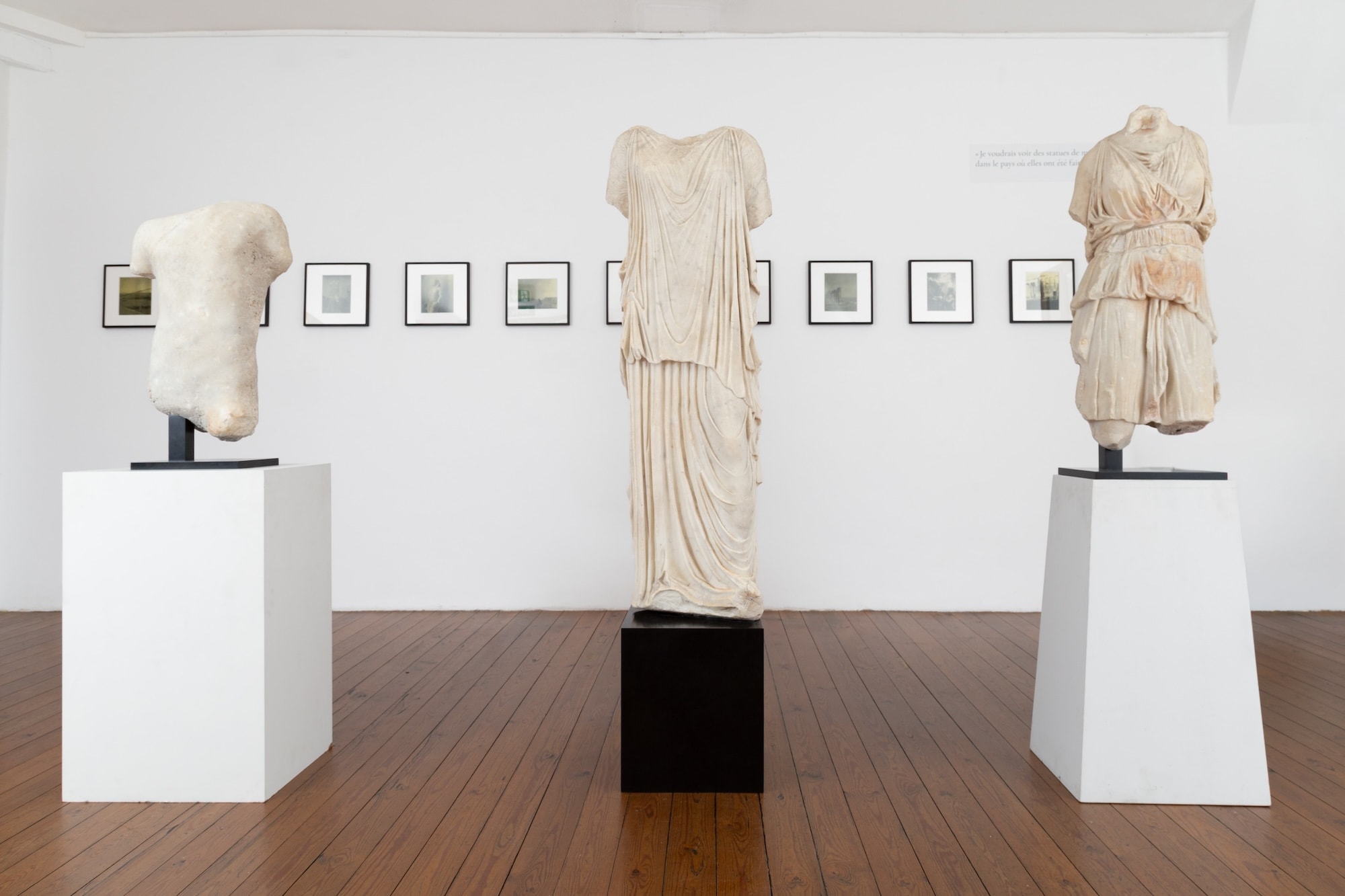
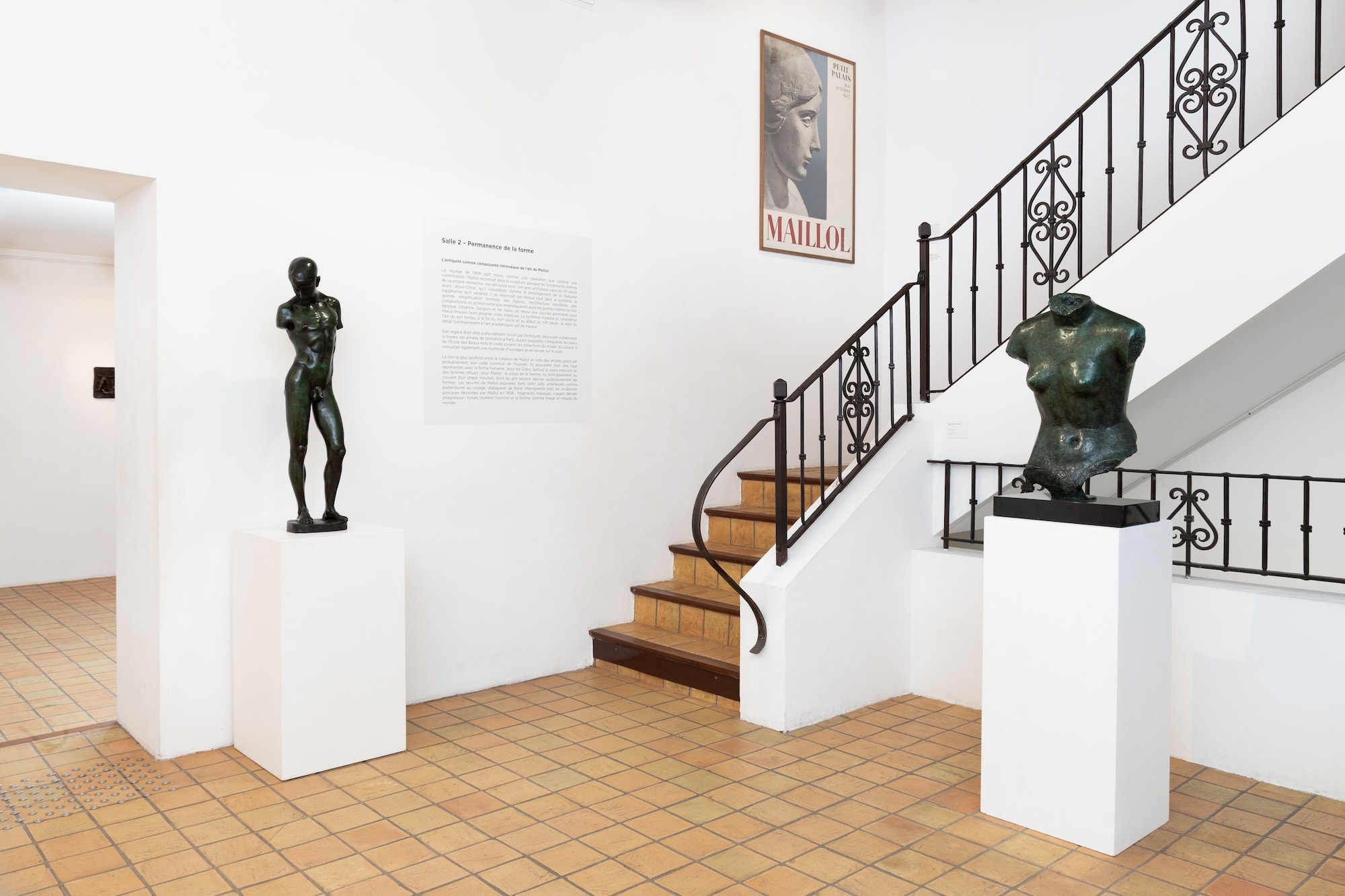
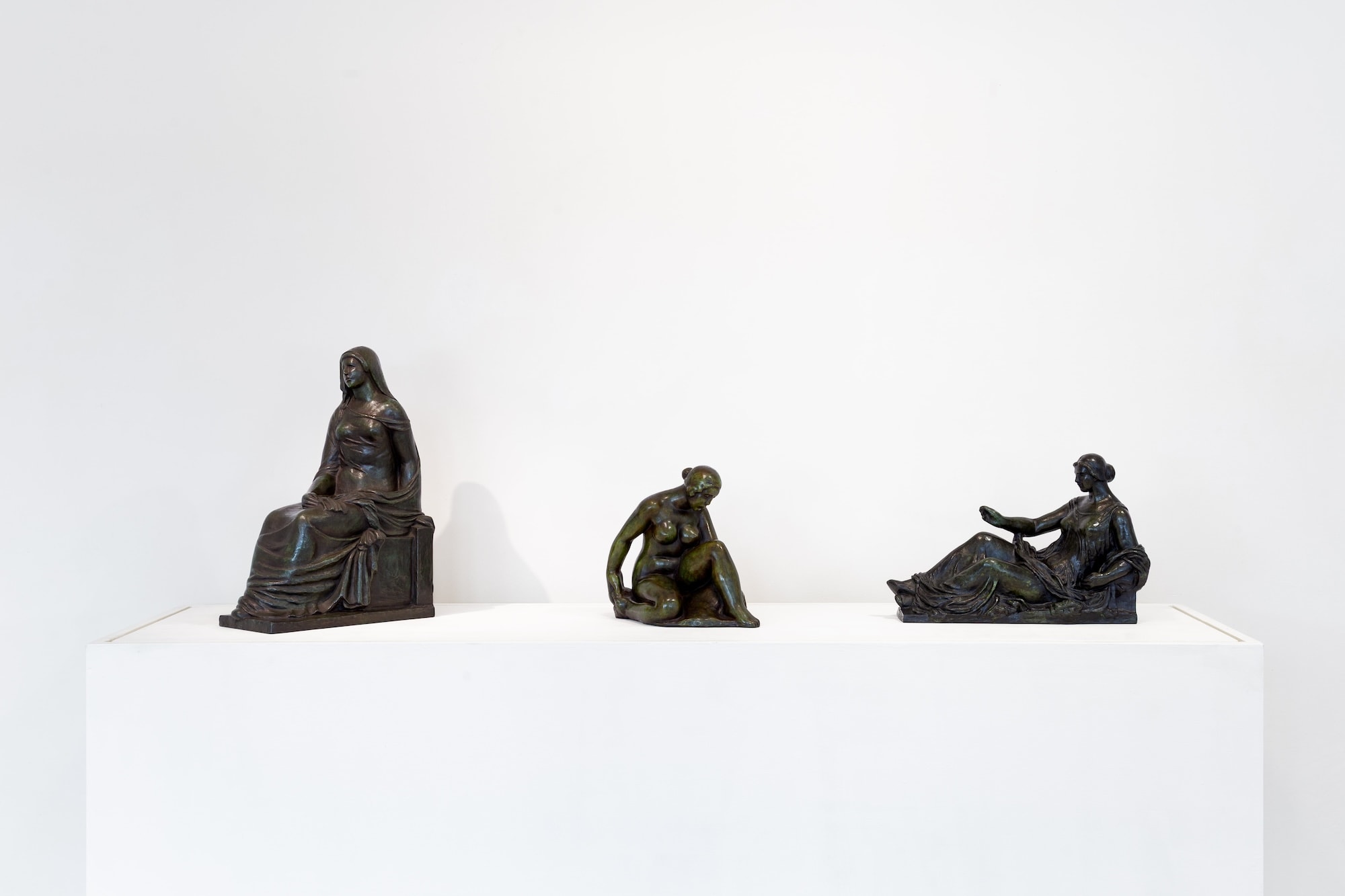
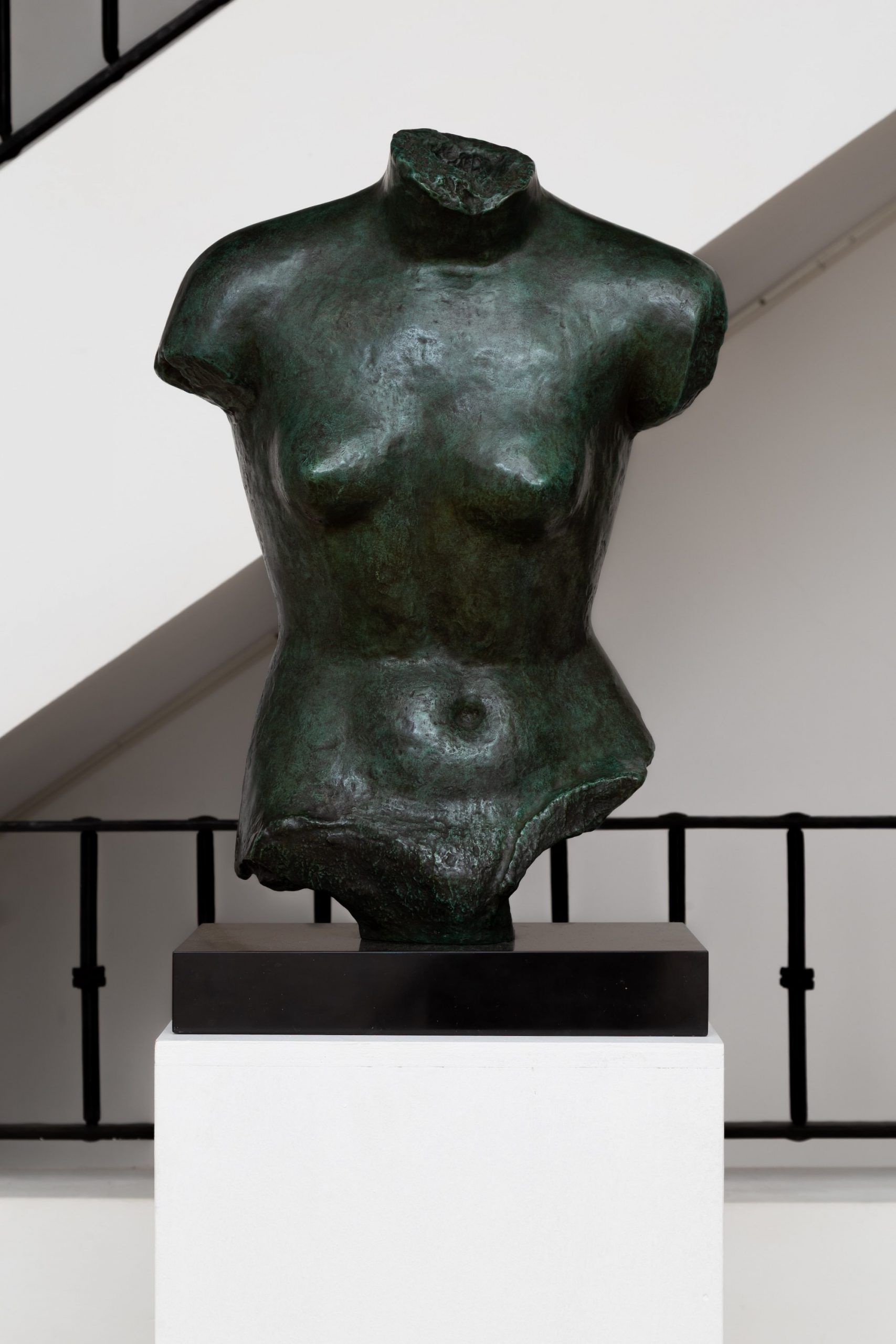
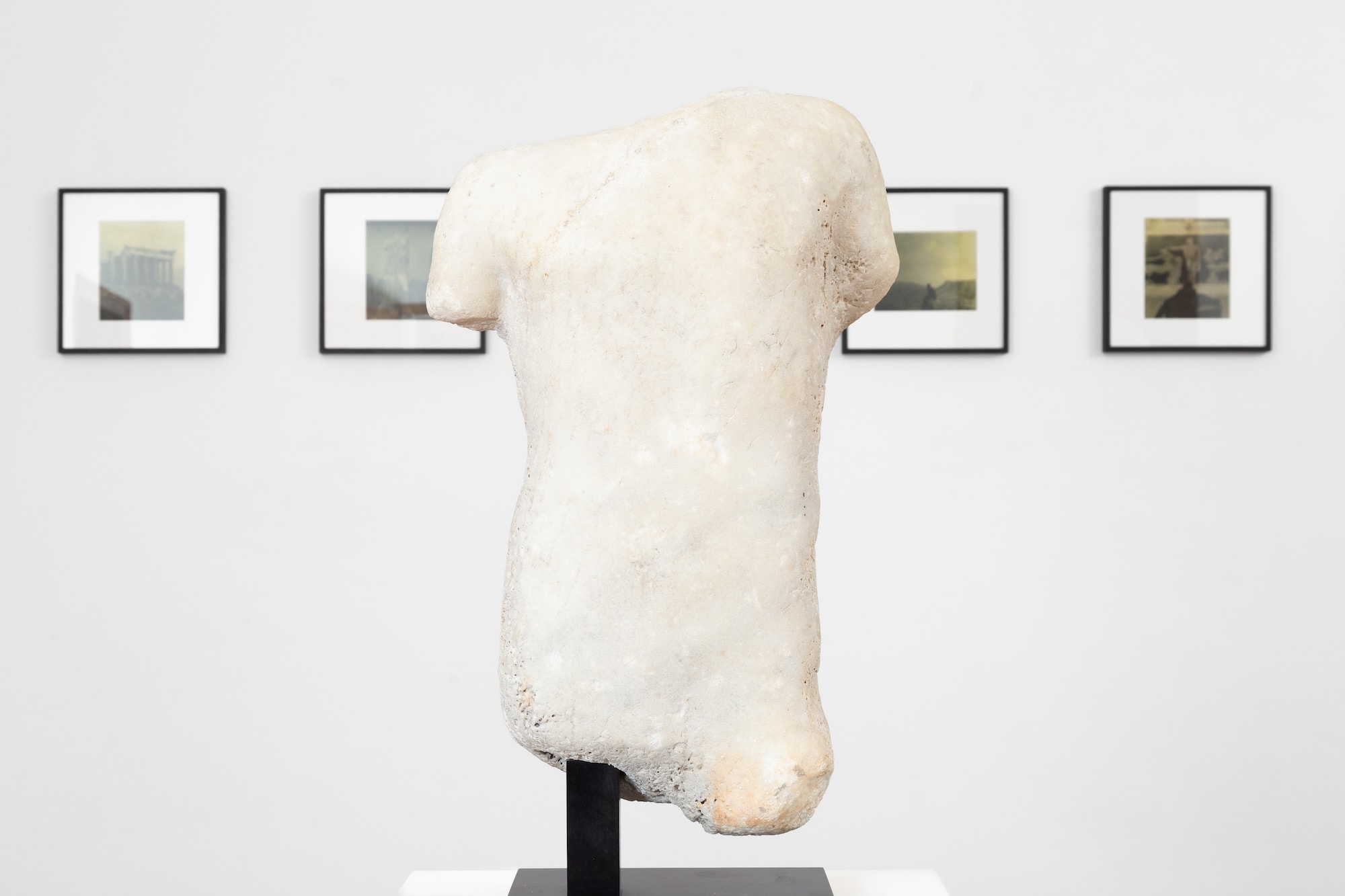
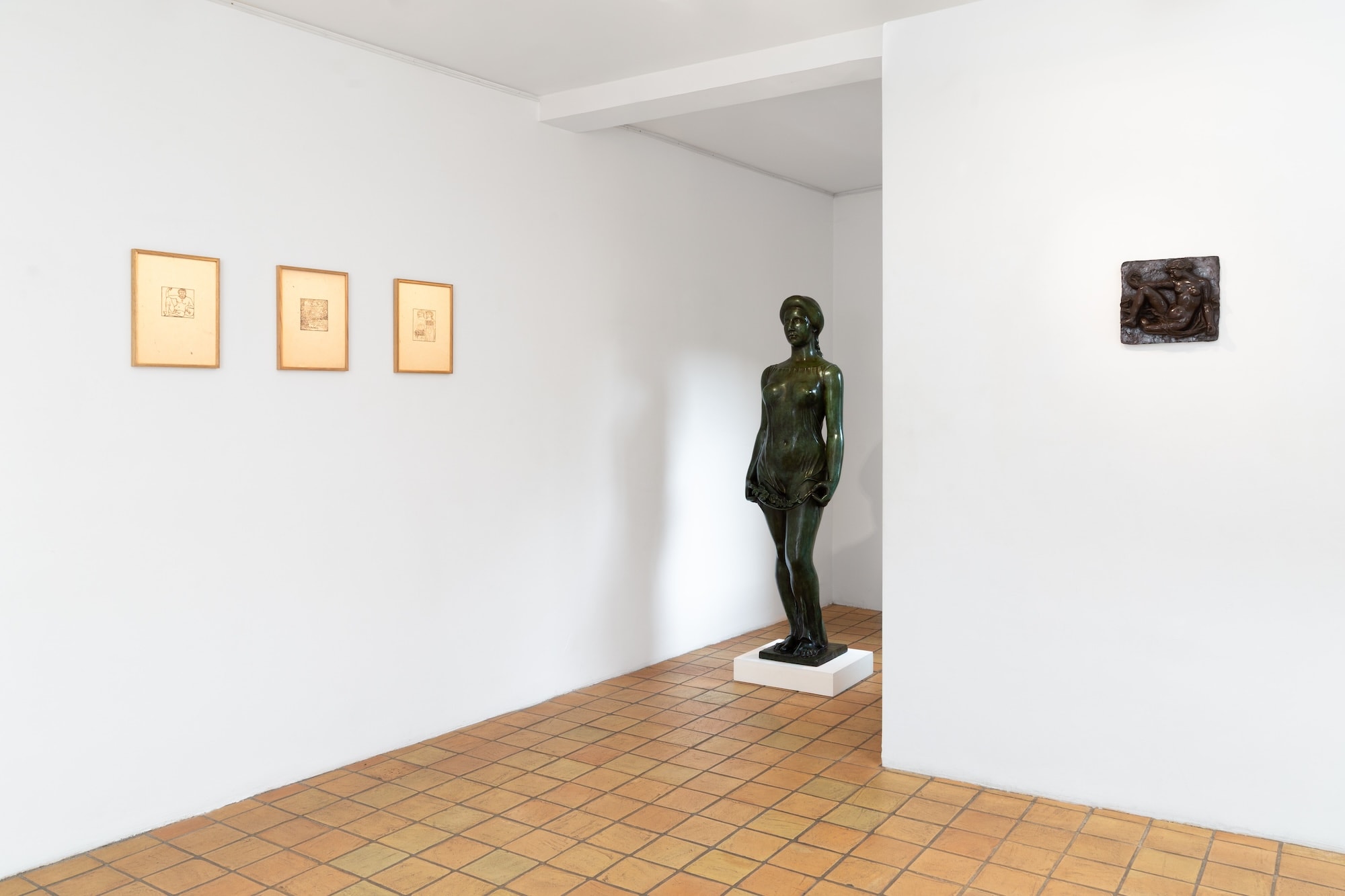
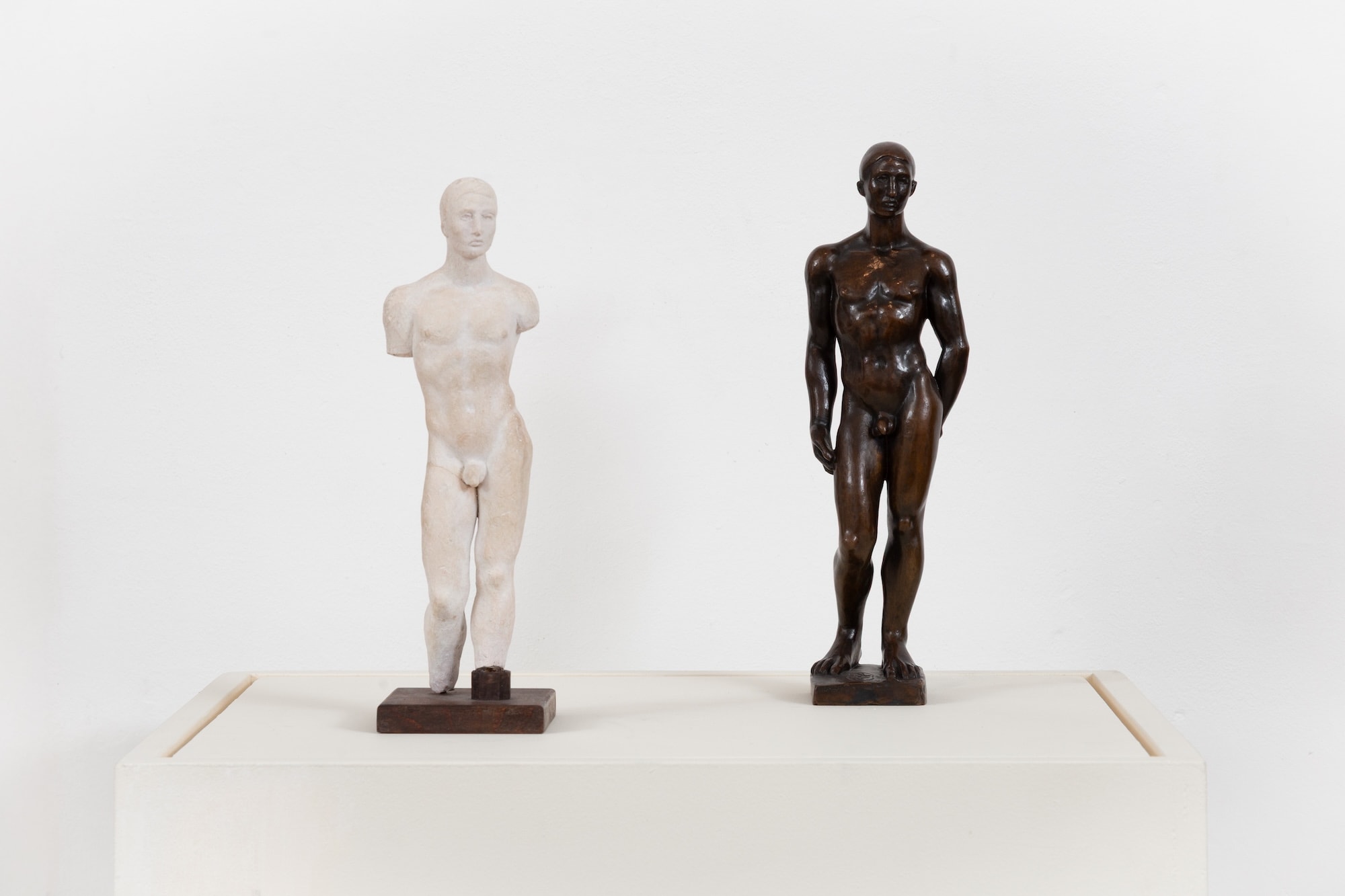
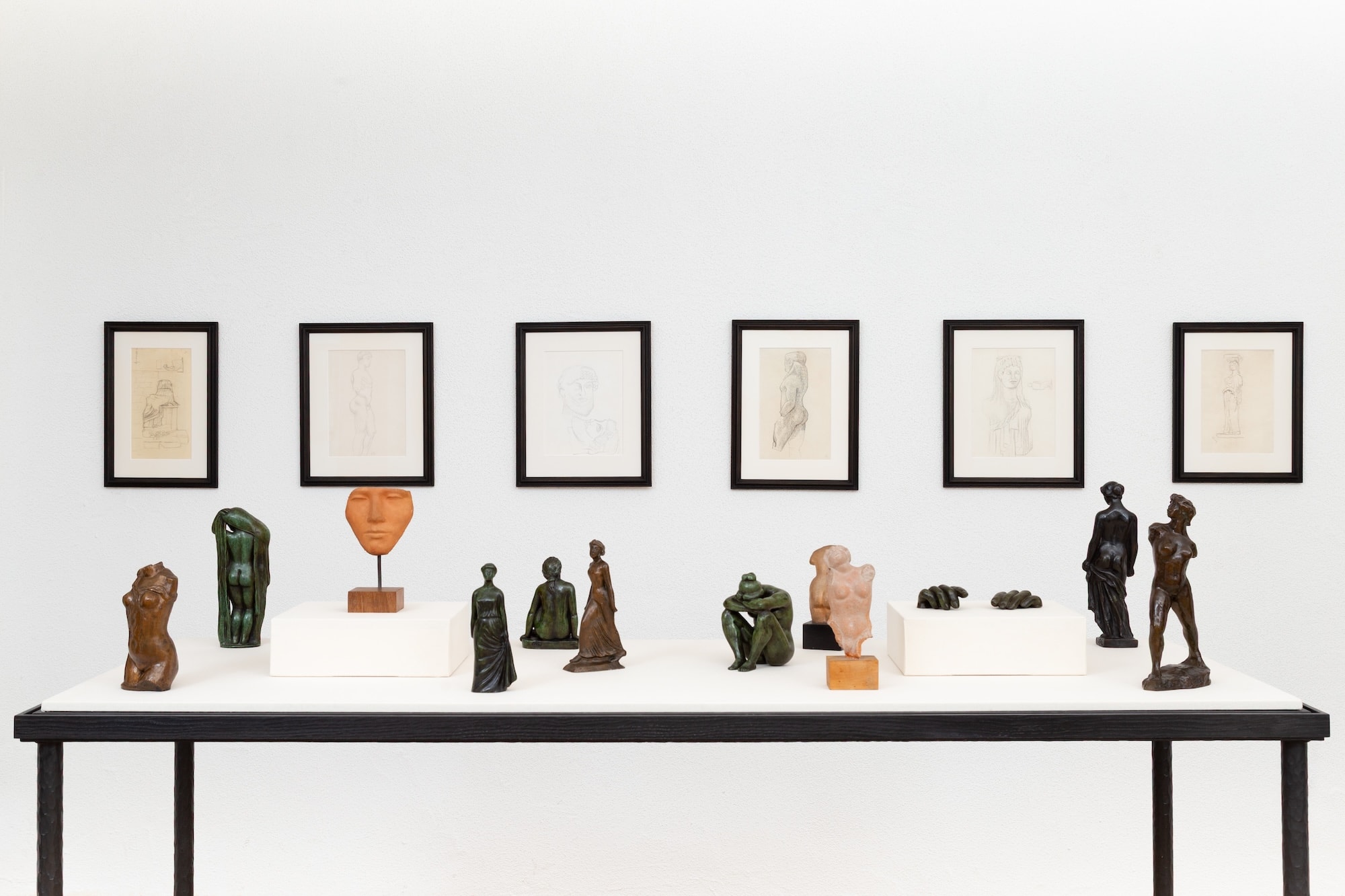
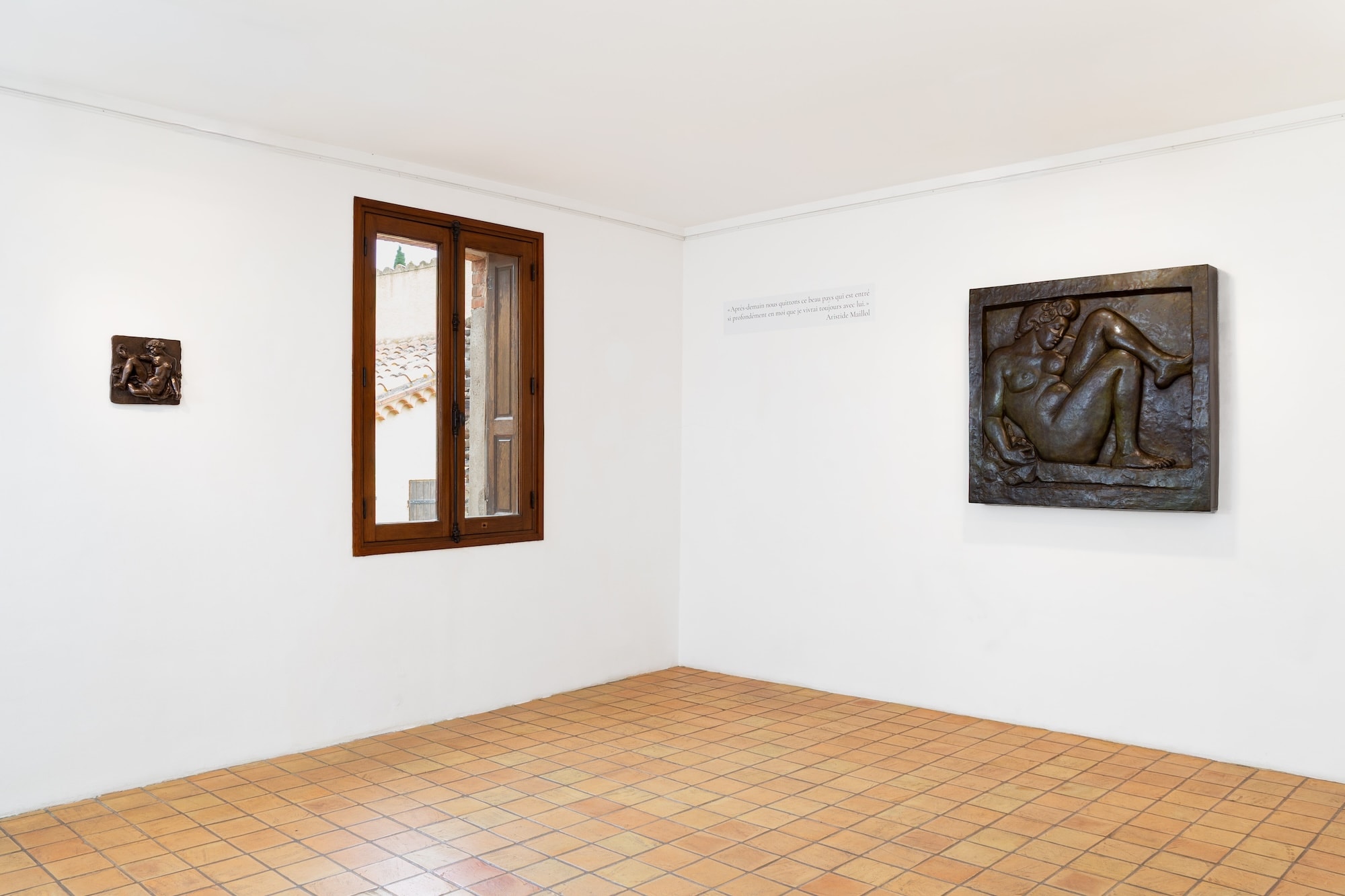
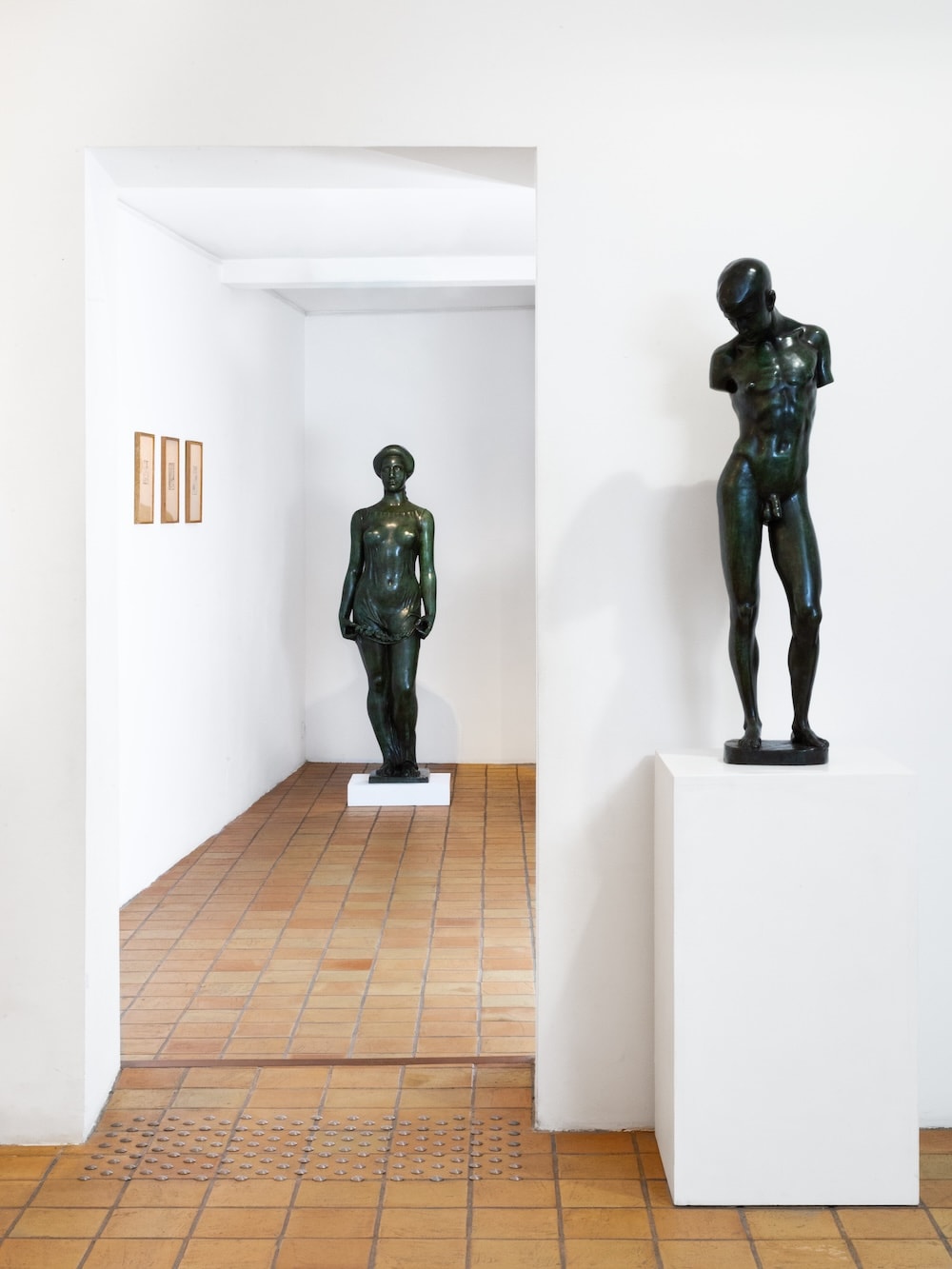
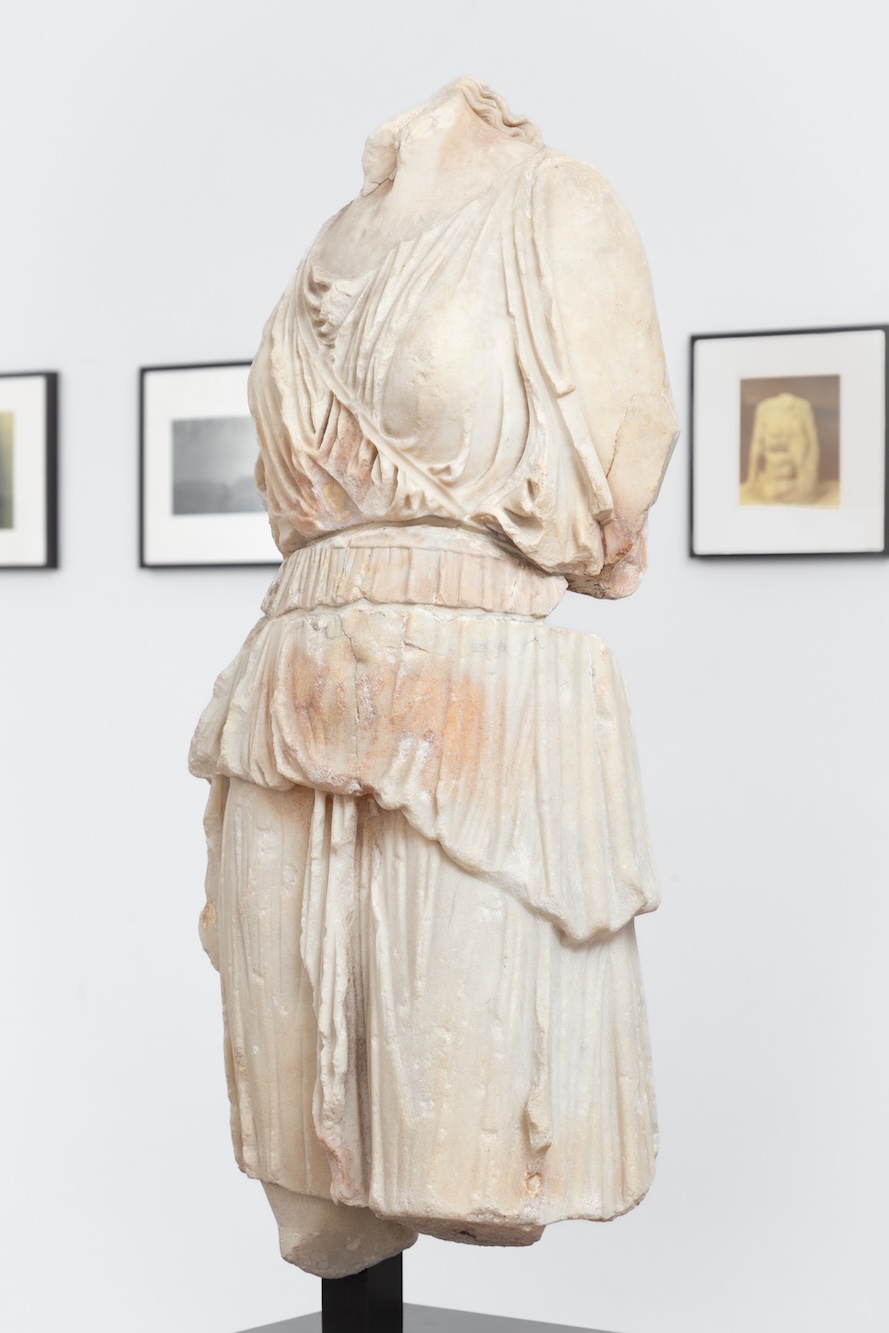
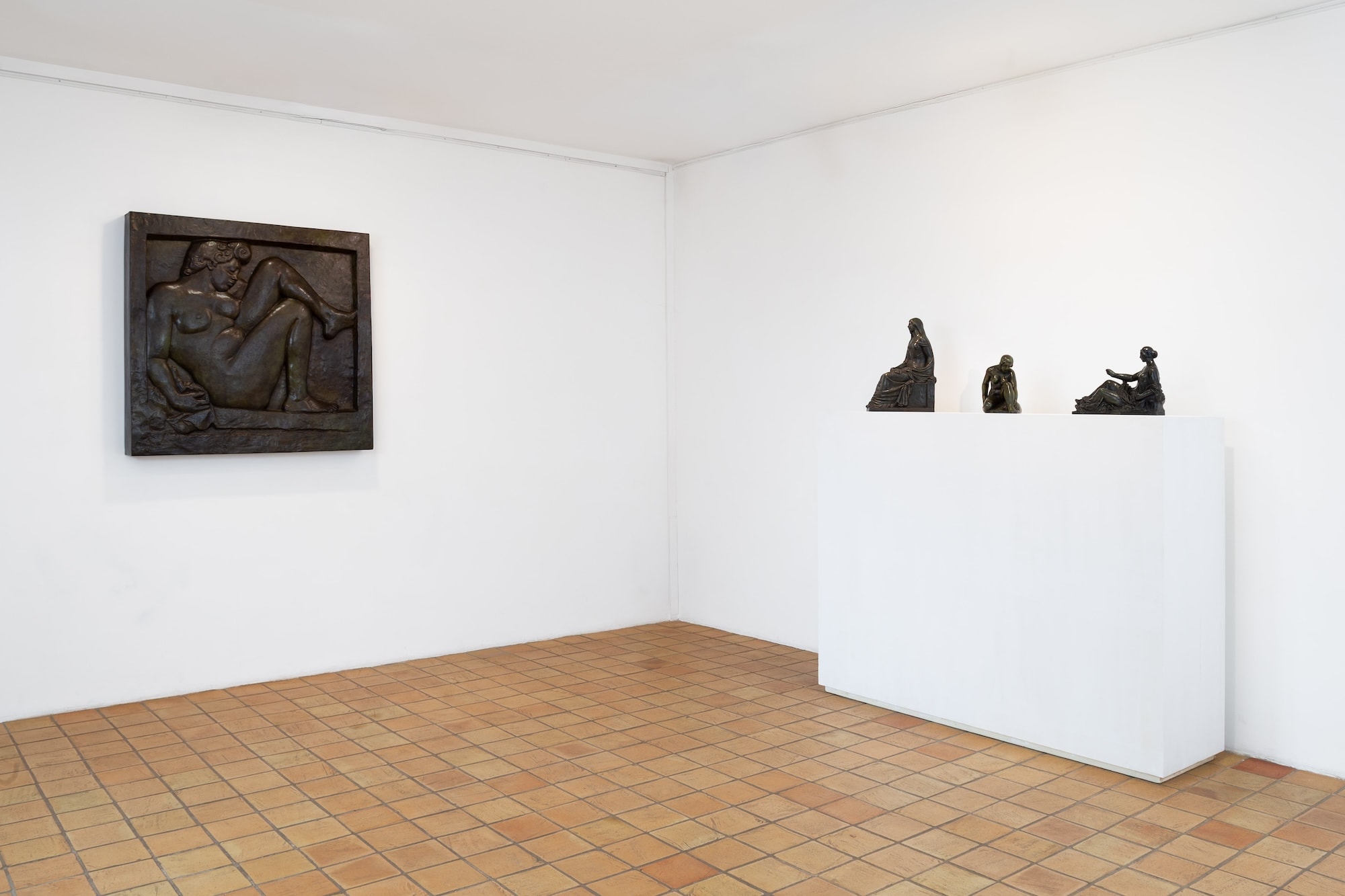
This year, from June 11 to December 31, 2026, the Musée Maillol in Banyuls-sur-Mer presents Maillol and Greece: Marbles in the Sun. Taking Maillol’s journey to Greece in 1908 as its starting point, this exhibition reveals the close ties between the artist and the art of Greek Antiquity, through an illuminating selection of paintings, drawings, sculptures, photographs and prints.
This year, we invite you on a Mediterranean journey in the footsteps of Aristide Maillol. The exhibition is devoted to the artist’s relationship with Greece and, more broadly, with Antiquity. At the heart of the project lies the journey he undertook through the country with his friend and patron, Count Harry Kessler, from April 25 to June 3, 1908.
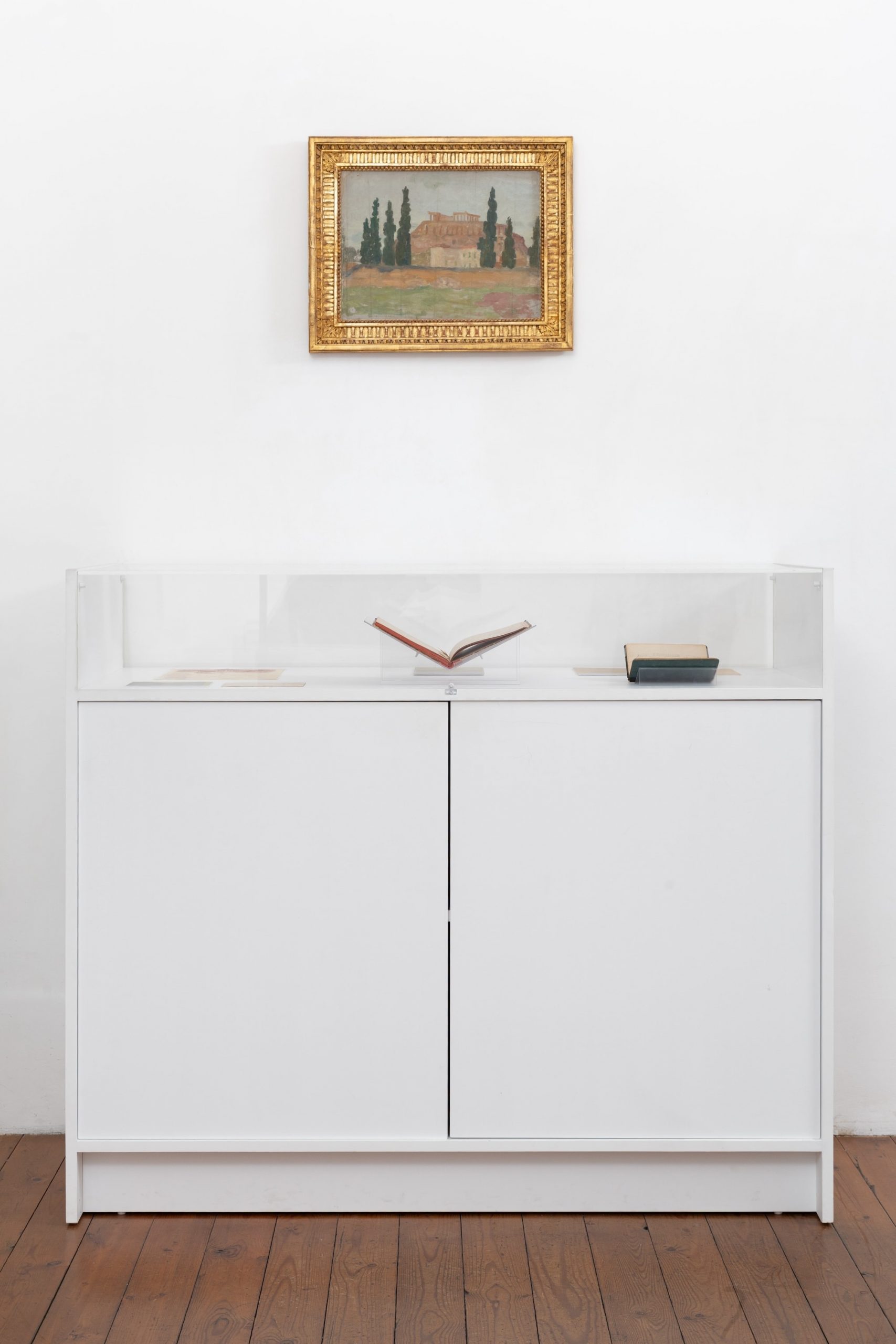
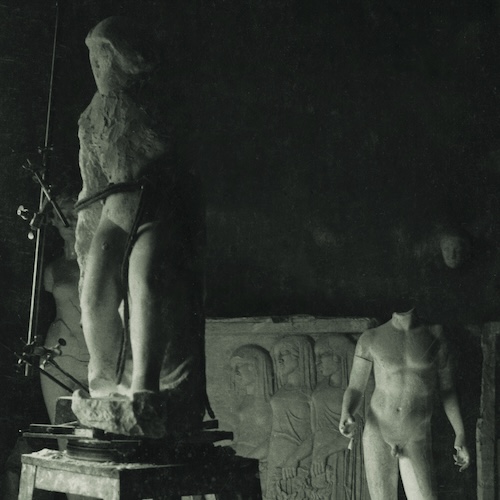
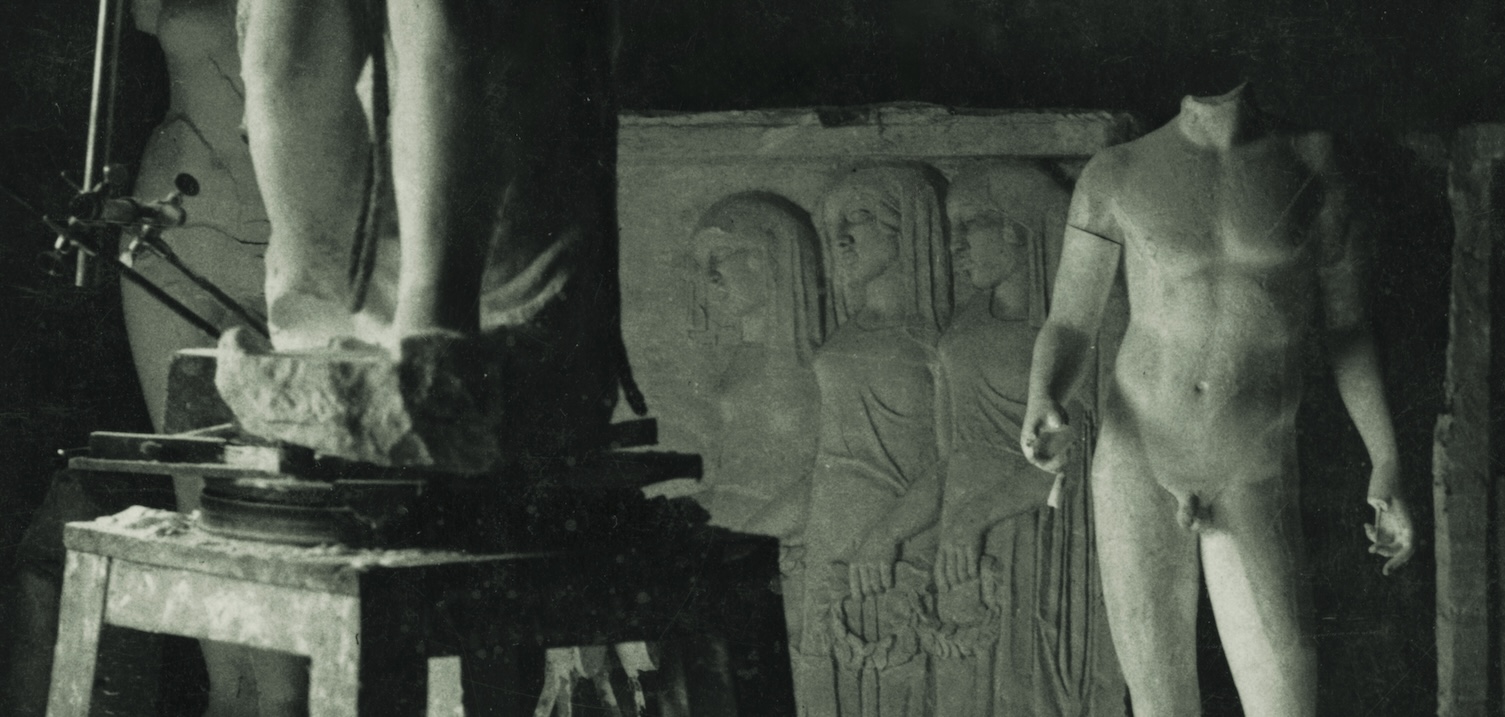
Although Maillol did not travel to Greece until 1908 — when the artist was 47 years old — it would be reductive to see this encounter as a starting point. His vision had already been deeply nourished by Antiquity, notably through his years of training in Paris, during which he attended classes at the École des Beaux-Arts and often visited the collections of the Louvre Museum. He also consulted a wide range of books and journals on the subject. It is remarkable to note how the artist perceived the profound similarities between his native Catalonia and Greece: landscapes, vegetation, climate, light, music, dances, costumes and customs… “When I arrived, I thought I had found Banyuls again! There were the same houses, the same windmill. I realised that my country has the same design as Greece… When, on our way to Delphi, we descended to Itea, I thought I was seeing the bay of Banyuls and its mountains, on a larger scale, but with a similar grace in the contours.” He would sometimes spend entire days alone in these landscapes, in total contemplation. It is no coincidence that the only “journal” he ever kept was his notebook Notes from a Journey to Greece, displayed here — he who disliked writing so much. And what, too, of the name Aristide, of Greek origin, meaning “the best”…
It was after his encounter with Count Harry Kessler that this relationship with Antiquity intensified. A cosmopolitan figure in the European art world, patron, collector and writer, Kessler discovered Maillol in August 1904 and quickly became his friend. Captivated by the simplicity and strength of his work, he bought a statuette from him at this first meeting and commissioned a monumental version of Mediterranean.
This year, from June 11 to December 31, 2026, the Musée Maillol in Banyuls-sur-Mer presents Maillol and Greece: Marbles in the Sun. Taking Maillol’s journey to Greece in 1908 as its starting point, this exhibition reveals the close ties between the artist and the art of Greek Antiquity, through an illuminating selection of paintings, drawings, sculptures, photographs and prints.
This year, we invite you on a Mediterranean journey in the footsteps of Aristide Maillol. The exhibition is devoted to the artist’s relationship with Greece and, more broadly, with Antiquity. At the heart of the project lies the journey he undertook through the country with his friend and patron, Count Harry Kessler, from April 25 to June 3, 1908.
Although Maillol did not travel to Greece until 1908 — when the artist was 47 years old — it would be reductive to see this encounter as a starting point. His vision had already been deeply nourished by Antiquity, notably through his years of training in Paris, during which he attended classes at the École des Beaux-Arts and often visited the collections of the Louvre Museum. He also consulted a wide range of books and journals on the subject. It is remarkable to note how the artist perceived the profound similarities between his native Catalonia and Greece: landscapes, vegetation, climate, light, music, dances, costumes and customs… “When I arrived, I thought I had found Banyuls again! There were the same houses, the same windmill. I realised that my country has the same design as Greece… When, on our way to Delphi, we descended to Itea, I thought I was seeing the bay of Banyuls and its mountains, on a larger scale, but with a similar grace in the contours.” He would sometimes spend entire days alone in these landscapes, in total contemplation. It is no coincidence that the only “journal” he ever kept was his notebook Notes from a Journey to Greece, displayed here — he who disliked writing so much. And what, too, of the name Aristide, of Greek origin, meaning “the best”…
It was after his encounter with Count Harry Kessler that this relationship with Antiquity intensified. A cosmopolitan figure in the European art world, patron, collector and writer, Kessler discovered Maillol in August 1904 and quickly became his friend. Captivated by the simplicity and strength of his work, he bought a statuette from him at this first meeting and commissioned a monumental version of Mediterranean.
This year, from June 11 to December 31, 2026, the Musée Maillol in Banyuls-sur-Mer presents Maillol and Greece: Marbles in the Sun. Taking Maillol’s journey to Greece in 1908 as its starting point, this exhibition reveals the close ties between the artist and the art of Greek Antiquity, through an illuminating selection of paintings, drawings, sculptures, photographs and prints.
This year, we invite you on a Mediterranean journey in the footsteps of Aristide Maillol. The exhibition is devoted to the artist’s relationship with Greece and, more broadly, with Antiquity. At the heart of the project lies the journey he undertook through the country with his friend and patron, Count Harry Kessler, from April 25 to June 3, 1908.
Although Maillol did not travel to Greece until 1908 — when the artist was 47 years old — it would be reductive to see this encounter as a starting point. His vision had already been deeply nourished by Antiquity, notably through his years of training in Paris, during which he attended classes at the École des Beaux-Arts and often visited the collections of the Louvre Museum. He also consulted a wide range of books and journals on the subject. It is remarkable to note how the artist perceived the profound similarities between his native Catalonia and Greece: landscapes, vegetation, climate, light, music, dances, costumes and customs… “When I arrived, I thought I had found Banyuls again! There were the same houses, the same windmill. I realised that my country has the same design as Greece… When, on our way to Delphi, we descended to Itea, I thought I was seeing the bay of Banyuls and its mountains, on a larger scale, but with a similar grace in the contours.” He would sometimes spend entire days alone in these landscapes, in total contemplation. It is no coincidence that the only “journal” he ever kept was his notebook Notes from a Journey to Greece, displayed here — he who disliked writing so much. And what, too, of the name Aristide, of Greek origin, meaning “the best”…
It was after his encounter with Count Harry Kessler that this relationship with Antiquity intensified. A cosmopolitan figure in the European art world, patron, collector and writer, Kessler discovered Maillol in August 1904 and quickly became his friend. Captivated by the simplicity and strength of his work, he bought a statuette from him at this first meeting and commissioned a monumental version of Mediterranean.
Prepare your visit
Mentions légales | CGU | Données personnelles | Gestion des cookies
Musée Maillol, 2021
Mentions légales | CGU | Données personnelles | Gestion des cookies
Musée Maillol, 2021